Address
304 North Cardinal St.
Dorchester Center, MA 02124
Work Hours
Monday to Friday: 7AM - 7PM
Weekend: 10AM - 5PM

Address
304 North Cardinal St.
Dorchester Center, MA 02124
Work Hours
Monday to Friday: 7AM - 7PM
Weekend: 10AM - 5PM

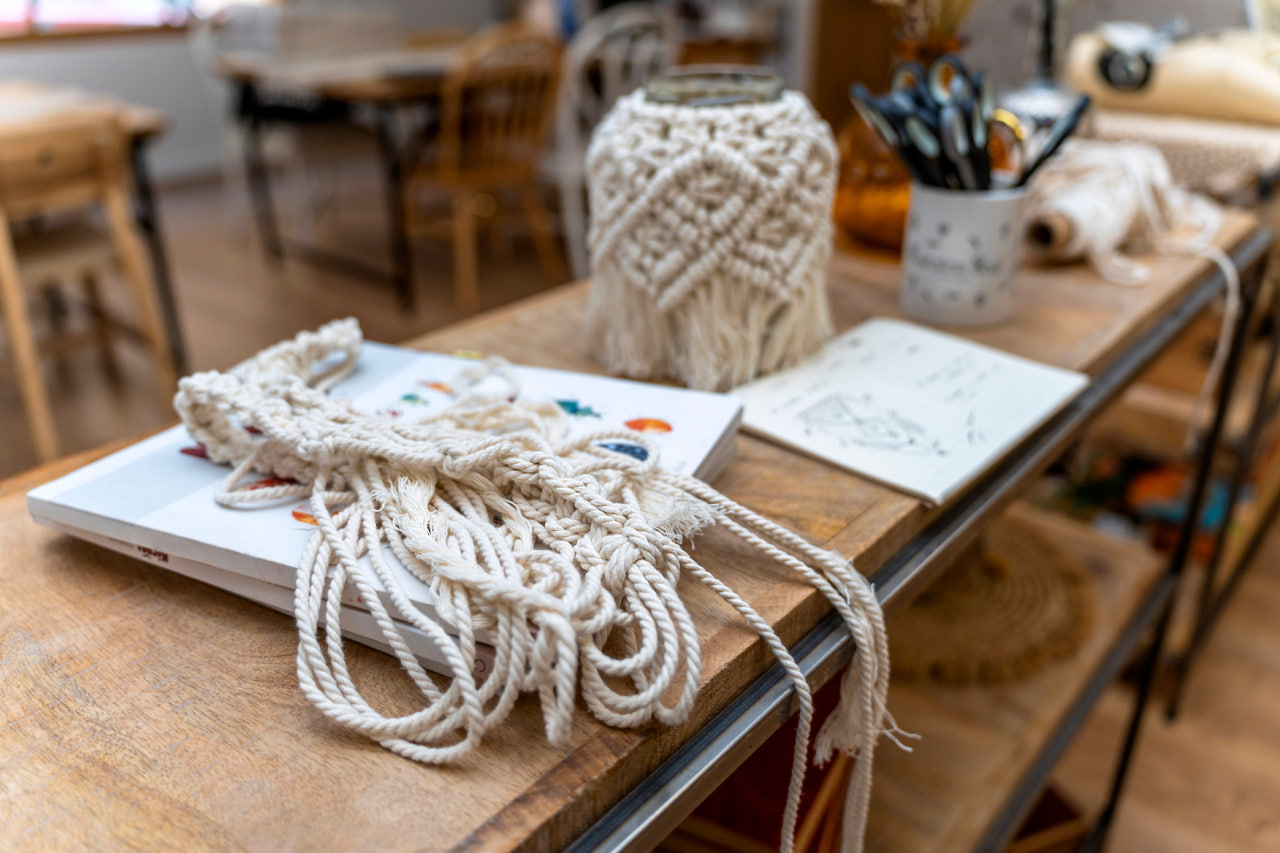
Creating your own interior décor items is a rewarding way to personalize your home, develop creativity, and build practical skills. Whether you’re a beginner or an experienced crafter, mastering essential techniques, learning tips from experts, and committing to skill-building are key to achieving polished, professional-looking results.
Essential DIY Techniques
Mastering basic techniques is the foundation for successful interior projects.
Sewing and Fabric Techniques
Learning how to hem, applique, and stitch straight lines allows you to create custom cushions, curtains, and fabric accents. Even small skills like gathering or pleating can dramatically improve the look of your finished projects.
Painting and Finishing
Properly sanding surfaces, applying primer, and using paint or stain techniques ensures smooth, durable finishes on wood, furniture, and decorative pieces. Experimenting with brush types, finishes, and layering effects enhances visual appeal.
Woodworking Basics
Techniques such as measuring, cutting, drilling, and joining pieces are crucial for furniture and décor projects. Small items like shelves, frames, or crates provide excellent practice before tackling larger projects.
Mixed-Material Skills
Combining materials like wood, fabric, and paper creates unique textures and dimensions. Learning to adhere, layer, and integrate different materials expands your creative potential.
Tips for Successful DIY Interiors
Organize Your Workspace
A tidy, well-lit workspace improves efficiency and reduces mistakes. Keep tools, materials, and patterns neatly arranged for easy access.
Measure Carefully
The adage “measure twice, cut once” applies to all DIY projects. Accurate measurements prevent wasted materials and ensure pieces fit together seamlessly.
Start Small
Begin with manageable projects to build confidence. Completing small tasks successfully provides motivation to tackle more complex projects.
Experiment and Practice
Don’t be afraid to try new materials, techniques, or color combinations. Every project is an opportunity to learn, refine, and improve your skills.
Document Your Process
Taking notes or photos of your steps helps you replicate successes, avoid past mistakes, and track your growth over time.
Skill-Building Strategies
Consistent practice is essential for improving your DIY abilities.
Weekly Challenges
Set small goals, such as completing a mini project or trying a new technique each week. Challenges keep your skills sharp and push your creativity.
Themed Projects
Create projects around themes or seasons to practice combining techniques and materials in a structured way. For example, making holiday décor encourages layering, painting, and assembling skills simultaneously.
Skill-Focused Practice
Dedicate time to mastering one skill at a time, such as sewing, sanding, or finishing. Concentrated practice helps you achieve better results faster.
Learn from Others
Join online crafting communities, watch tutorials, and study professional examples. Observing how others handle techniques or materials provides valuable insights and inspiration.
Common Mistakes and How to Avoid Them
Even experienced crafters make mistakes. The key is learning from them:
Uneven Paint or Stain – Sand surfaces carefully and apply primer to prevent streaks or blotches.
Misaligned Pieces – Use clamps, guides, or templates to ensure precise assembly.
Loose or Weak Attachments – Choose appropriate adhesives, screws, or stitching methods for the material.
Rushing Projects – Take your time with each step to maintain quality and reduce errors.
Mistakes are learning opportunities that strengthen your skills and help you produce higher-quality work.
Benefits of Developing DIY Interior Skills
Building techniques and skills enhances not only the outcome of your projects but also your personal growth:
Confidence – Successfully completing projects encourages experimentation and bolder ideas.
Creativity – Mastering techniques opens possibilities for more complex and innovative designs.
Problem-Solving – Tackling challenges in materials and assembly develops practical problem-solving skills.
Satisfaction – Seeing a project through from start to finish brings pride and a sense of accomplishment.
Efficiency – Skillful crafters complete projects more quickly and with fewer mistakes.
Personalized Interiors – Your home reflects your style and personality with handmade, skillfully crafted items.
Make Skill-Building Part of Your DIY Routine
Incorporating skill-building into your DIY routine ensures continuous improvement. Start with small, achievable projects and gradually move on to more complex designs. Experiment with new materials, try seasonal or themed projects, and challenge yourself regularly.